
Sudan Media Forum
By Aisha Al- Samani
KHARTOUM ,August 8, 2025 (Female Journalist Network ) – Sudan is facing one of the worst humanitarian and health crises in its modern history. The war that began on April 15 has led to a near-total collapse of the health system, leaving millions of citizens facing death without treatment amid spreading epidemics, a lack of medicine, and the displacement of medical personnel.
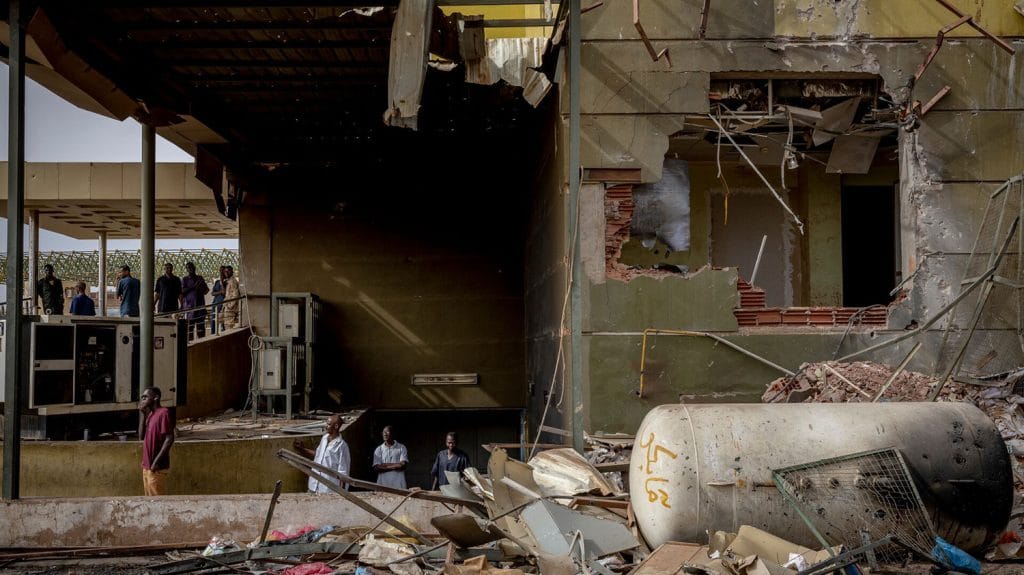
In a report, the Sudanese Ministry of Health stated that 70% of hospitals and health centres are out of service in the states of Khartoum, Darfur, Kordofan, Al Jazirah, and Sennar, in addition to parts of Blue Nile and White Nile. The report confirmed that more than 250 public and private hospitals have been shut down.
The ministry indicated that the ongoing fighting has caused more than 60% of pharmacies and medical stores to go out of service, either through looting or damage. Due to the interruption of environmental health services, diseases and epidemics have spread, and cases of malaria, cholera, and dengue fever have increased, according to the report.
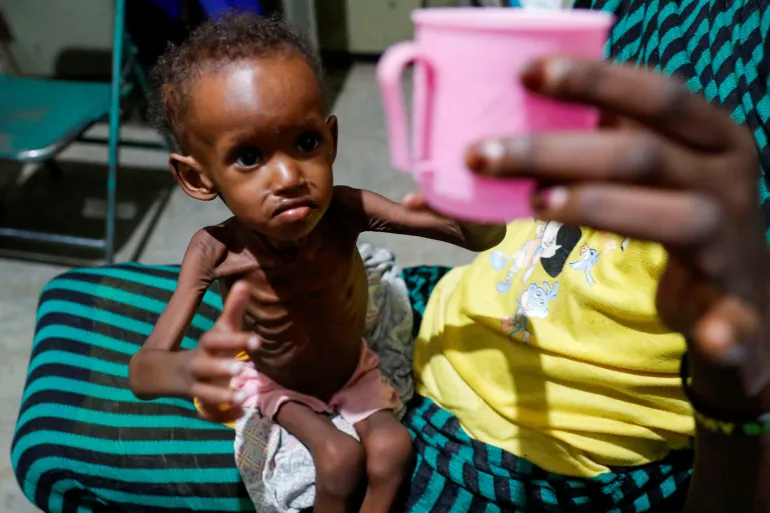
The humanitarian situation in the country has also led to a deterioration in nutritional status, causing a surge in acute malnutrition cases, especially among children under five. The report added that the total losses in Sudan’s health sector have reached approximately $11.04 billion, covering buildings, medical equipment, furniture, ambulances, vehicles, and medicines.
The Pain of Mothers
In a village in Al Jazirah state, which until recently had several hospitals, the sister of Fatima (a pseudonym) shared her story: “Fatima started feeling labour pains, but there was no health centre or qualified midwife in the village… She was forced to give birth at home, after which she suffered a severe hemorrhage.”
The family had no choice but to transport her on a donkey-drawn cart (known locally as a karro), a grueling journey that took about 12 hours to reach the nearest health centre. By the time Fatima arrived, she had already passed away.
Fatima’s tragedy is not an isolated case but is repeated dozens of times in different parts of Sudan, from Darfur to Khartoum, where women lack basic health care, and mothers pay with their lives for the collapse of the health system amid the war.
Outbreak of Deadly Diseases
Dr. Adeeba Ibrahim Al-Sayed, a specialist in internal medicine and epidemiology and a member of the preliminary committee of the Sudan Doctors’ Syndicate, said that medical data recorded hundreds of cases of meningitis in eastern Sudan, the Northern state, Omdurman, and Al Jazirah, resulting in dozens of deaths. The country has also witnessed a catastrophic spread of malaria, with infections reaching about 1,847,000 cases, while deaths have exceeded 321,000. She pointed out that there are more than 698,000 kidney patients not receiving dialysis or medication, and millions of patients with chronic diseases like hypertension and diabetes suffering from a scarcity of drugs and a lack of insulin and dialysis medications.
Dr. Adeeba revealed the registration of 890 confirmed cases of dengue fever in Khartoum and Omdurman, alongside the nationwide spread of various types of malaria and numerous fatalities. She added that many cases of Chikungunya fever have also appeared in the country, in addition to the spread of cholera, which has claimed more than 316,000 lives.
Unknown Fevers
In Al Jazirah state, Dr. Adeeba noted the emergence of unidentified fevers in the Abu Ashar area and neighbouring villages in the Al-Hasahisa locality (about 100 km from Khartoum), where infected individuals lose their lives within just one or two days. She said daily deaths range from 5 to 6 people, explaining that doctors have ruled out a link to dengue fever after medical examinations.
She pointed out that the area also suffers from power outages and water problems, along with leaks from broken water networks, which likely contributes to drinking water contamination. She confirmed that residents have submitted a memorandum to the governor of Al Jazirah to address the official authorities about this situation and are awaiting a clarifying statement from the relevant health authorities.
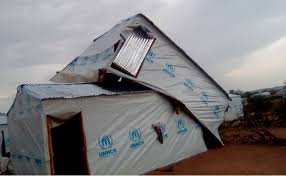
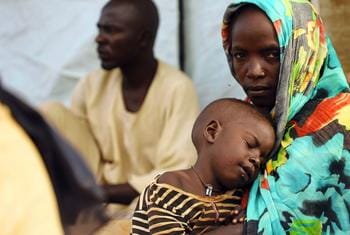
She added that Sudan is suffering from the spread of various fevers and childhood diseases are widespread, while power cuts, water contamination, and garbage accumulation exacerbate infection rates, especially in displacement areas and camps. The Sudanese Ministry of Health and the World Health Organization (WHO) have warned of the outbreak of serious diseases, including cholera (more than 316,000 cases), dengue fever (about 576,000 cases), in addition to malaria, tuberculosis, and malnutrition.
In the same context, the WHO stated that the humanitarian situation, complicated and exacerbated by attacks on health facilities, continues to impede vital health interventions, including the response to cholera, measles, and malnutrition. The organization reported nearly 60,000 cholera cases in Sudan, resulting in more than 1,640 deaths. It added that malaria, acute respiratory infections, malnutrition, and acute watery diarrhea remain the most common health conditions.
Women and Children Beyond the Brink
Dr. Adeeba explained that women bear the brunt of the crisis. Estimates indicate that more than one million pregnant women are deprived of care before and during childbirth, at a time when rates of unsafe births, hemorrhaging, and maternal deaths have increased. Regarding malnutrition, 176,000 pregnant and 850,000 lactating women are affected, and 45,000 children have died from malnutrition since the war began. Deaths among pregnant women during childbirth have reached 680,000 or more. Additionally, more than 54,000 women are suffering from malnutrition and tuberculosis due to the siege imposed on South Kordofan.
The Sudanese Minister of Health confirmed that the maternal mortality rate has risen to 295 deaths per 100,000 births, while the child mortality rate has reached 51 deaths per 1,000 births, warning of a “complete collapse of the health system if there is no urgent intervention.”
Reports from the United Nations and local organizations working in Sudan have indicated that more than one million pregnant women are deprived of health care, while about 90% of hospitals are out of service, and dozens of humanitarian organizations have announced the suspension of their operations in several affected areas.
For its part, Doctors Without Borders (MSF) revealed shocking numbers of maternal and newborn deaths in South Darfur, documenting 46 maternal deaths and 48 neonatal deaths in just a few months, mostly due to a lack of care.
Appeals for Help
The Health Emergency Room (established by doctors inside and outside Sudan) and Sudanese civil society organizations have called for the opening of safe humanitarian corridors, the provision of essential medicines, support for maternal and child health services, protection of women and girls from sexual violence, and the establishment of alternative maternal and child health centres in displacement areas, with national and international coordination to end the war and restore health services.
Medical bodies are urging international organizations, led by the WHO, to intervene urgently, provide medicines, support dialysis centres, secure maternal and child care, and sanitize displacement environments from sources of infection, warning that the continuation of the war will lead to a broader humanitarian catastrophe that could claim thousands of lives in the coming months.
The Sudan Media Forum and its member institutions are publishing this material prepared by the ” [Female Journalists Network,” which exposes the near-complete collapse of the health sector in Sudan as a result of the war. Most hospitals and pharmacies are out of service, the environment has deteriorated, and deadly epidemics and fevers have spread throughout the regions. The greatest burden of this deterioration has fallen on women and children, with maternal and child mortality rates rising to shocking levels. This warns that the continuation of the situation and the war will lead to a humanitarian catastrophe that will claim thousands more lives.


