
Sudan Media Forum
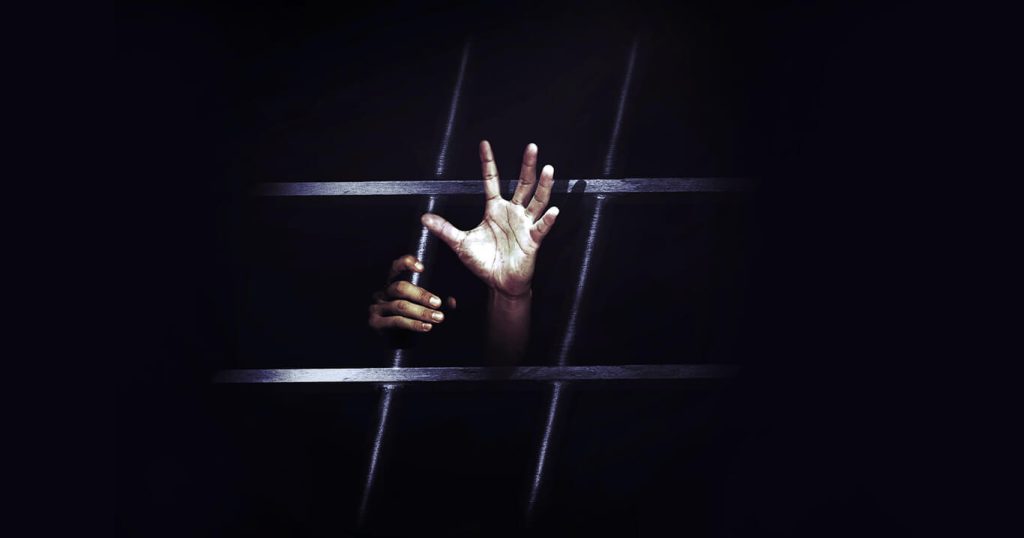
Khartoum, April 29, 2026, (Sudan Tribune) — In one of the harshest forms of detention during the war in Sudan, the name “Jabal Sarkab Detention Center” has emerged as a place etched in survivors’ memories as one of slow death and systematic abuse. There, stories unfold—similar in detail, different in the faces of those who lived them—but all converge on one reality: severe human suffering taking place out of sight.
Human rights reports indicate that practices of torture and ill-treatment inside detention facilities are among the gravest violations associated with armed conflicts, particularly when coupled with enforced disappearance and the absence of accountability. Experts stress that the impact of such violations extends beyond direct victims to their families and society as a whole, amid significant challenges to documentation and accountability efforts, especially given the difficulty of accessing detention sites or independently verifying information.
Daily Burials
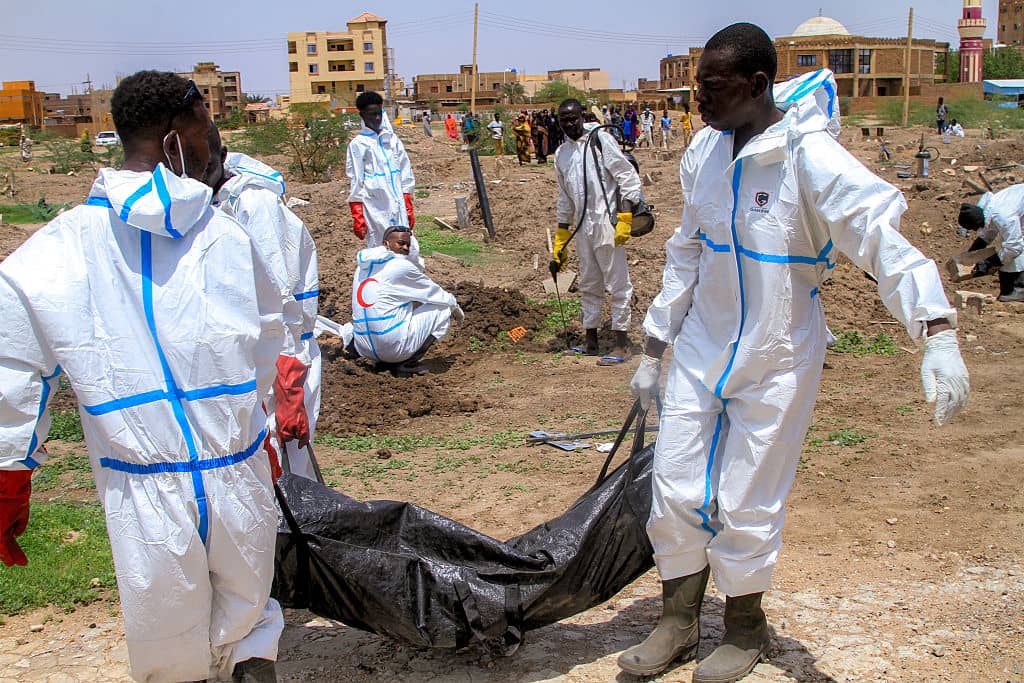
(M.A.), a former detainee who spent three months inside the facility, said that what still haunts him most is the scene of daily burials. He explained that detainees were forced to bury those who died under torture or from hunger and disease, with the number of bodies ranging from seven to eight per day—and sometimes rising significantly.
He added that many of the bodies were often decomposed, and detainees had to dig graves in rocky ground using primitive tools, only to find the next day that dogs had exhumed the graves, forcing them to bury the bodies again. He also pointed to severe food shortages and the continuation of daily beatings and torture.
A Year of Hell
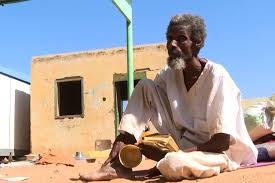
(A.N.), another former detainee who spent a full year in Sarkab, described the experience as “beyond anything human,” noting that death was a daily presence and that detainees had become accustomed to burial scenes.
He told “Sudan Tribune” that violations included repeated rape against both men and women, amid constant fear and complete inability to object, alongside total isolation from the outside world and a ban on visits.
The Journey of Detention
(K.A.), a former detainee, recounted the details of his arrest, explaining that he was stopped at a checkpoint while heading toward the Karari area, before being taken to a site known as “the farm,” where he was interrogated for several days.
He added that he was later transferred to Jabal Sarkab detention center, where he was violently assaulted upon arrival, resulting in fractures to his shoulder and leg without receiving any treatment. He noted that detention conditions inside the barracks were extremely harsh, with severe overcrowding forcing some detainees to sleep standing, while others were compelled to relieve themselves in front of everyone, in a deeply humiliating scene.
Cries in the Night
(K.A.) said detainees could hear the screams of women at night as they were subjected to abuse, emphasizing that they were powerless to intervene. He also reported being subjected to severe torture, including restraint and prolonged electric shocks, which led to a deterioration in his health.
A Child Victim
He added that among the detainees was a boy no older than sixteen, who was subjected to repeated torture before dying—an incident that left a profound impact on those who witnessed it.
Hunger and Neglect
He pointed out that hunger was a defining feature inside the detention center, with detainees sharing extremely small quantities of food, alongside the spread of diseases due to the absence of hygiene and healthcare. He confirmed that he was unable to bathe throughout his entire period of detention.
A Silent Death
In the same context, witnesses told “Sudan Tribune” that Mohammed Kamal Hassan, aged 17, died inside the facility after suffering from hunger and neglect, without his family being able to visit him or learn of his fate until days after his death.
An Ongoing Search
Meanwhile, the family of Mohammed Ahmed Youssef (68) told Sudan Tribune that he was arrested from Al-Shajara Market in Khartoum, and since then they have been unable to determine his fate. They reported receiving conflicting accounts regarding his place of detention or death, leading them to consider him among the forcibly disappeared, while calling for the truth to be revealed.
Grave Violations
Mohamed Salah El-Din, a member of the executive office of the Emergency Lawyers group, stated that documented incidents reveal a “widespread and systematic pattern of grave violations” that rise to the level of international crimes, including crimes against humanity, given their organized nature, broad scope, and direct targeting of civilians.
He explained that these violations begin with arbitrary detention outside any legal framework, then escalate into enforced disappearance, often accompanied by deliberate misinformation and contradictory statements about victims’ fates, in what he described as a “policy of obscuring the truth and obstructing accountability.”
He added that the gravity of these acts lies in systematic torture, sexual violence, starvation, and denial of healthcare—practices that, according to him, lead to deaths in detention, whether through slow killing or direct execution.
He further noted that repeated deaths without investigation, along with the burial of victims in secret mass graves, constitute a “compound crime aimed at concealing evidence and denying families knowledge of their loved ones’ fate.”
He called for independent and comprehensive investigations, including securing mass grave sites, preserving evidence, identifying victims, and holding all those involved accountable, in order to end impunity.
Psychological Impact
For her part, social affairs expert Dr. Naglaa Abdel Mahmoud stated that the psychological and social effects suffered by survivors of systematic torture detention centers represent a “deep and multi-dimensional wound,” extending from the individual to their family and community.
She explained that survivors suffer from complex psychological disorders, most notably complex post-traumatic stress disorder, as a result of prolonged exposure to torture. This manifests in nightmares, painful memories, social isolation, and loss of interest in life.
She added that these conditions are accompanied by feelings of fear, guilt, and anger, as well as difficulties in sleep and concentration, which may develop into depression and chronic anxiety, in addition to physical symptoms linked to torture.
Difficult Recovery
She emphasized that the effects of torture extend to the breakdown of family bonds, loss of trust, social marginalization, and economic hardship, noting that persistent fear prevents many survivors from reintegrating into society or seeking help.
She stressed that recovery requires comprehensive support combining psychological, social, and economic care, including therapy, economic empowerment, and the creation of a supportive social environment.
She concluded by stating that recovery is a long and complex process, based on rebuilding trust in oneself and others as a fundamental condition for any real healing.
These testimonies reflect an extremely harsh humanitarian reality inside Sarkab detention center, where patterns of abuse are repeated and victims’ suffering is strikingly similar. Between those who survived to tell their stories and those whose fate remains unknown, these accounts stand as an attempt to reveal what is happening behind closed walls.
The Sudan Media Forum and its member institutions publish this material, prepared by “Sudan Tribune” , to shed light on some of the violations accompanying the war, including detention under extremely harsh conditions affecting women, men, and children.
The report presents testimonies from witnesses who were detained in Sarkab, where they faced various forms of torture that, in some cases, led to death. Survivors say that severe human suffering was unfolding out of sight.


