
Sudan Media Forum
KHARTOUM, November 19, 2025, (Al-Alaq Center for Press Services) – As the “16 Days of Activism Against Gender-Based Violence” campaign launches globally—running from November 25 to December 10—the world unites to highlight violence against women and girls. Under the 2025 theme, “Unite to End Digital Violence Against Women and Girls,” international and local organizations are mobilizing to raise awareness about the dangers of gender-based discrimination.
However, the reality in Sudan exposes a tragedy that far transcends this slogan. The ongoing war, now entering its third year, has stalled all efforts to end the suffering of over 40 million Sudanese citizens, half of whom are women. This is not merely a conflict between the Army and the Rapid Support Forces (RSF); it has become a war against the citizenry, characterized by killing, looting, torture, and atrocities unparalleled in the modern era.
For Sudanese women—torn between displacement, refugee camps, and the mourning of lost sons and husbands—this year’s global theme, while important, feels like a luxury disconnected from their cruel and humiliating reality.
Sudan: A War on Women’s Bodies
Since the war erupted on April 15, 2023, the United Nations and international organizations have documented widespread violations described as a “war on women’s bodies.” Thousands have been subjected to rape, kidnapping, enforced disappearance, and forced marriage, while countless others have been forced to flee under crossfire.
Despite the severity of these crimes, activists argue that Sudanese women have faced international neglect rather than support. This global apathy has reinforced a culture of impunity, emboldening perpetrators to continue their violations.
The Fall of El Fasher: Atrocities Unfold
After an 18-month siege, the city of El Fasher fell to the Rapid Support Forces on October 26, 2025, marking the start of a dark new chapter. For months, observers had warned that the city’s fall would prelude “potential genocide.” Sudan expert Marina Peter confirmed the grim reality: “The war in Sudan has not been forgotten… it has been ignored.”
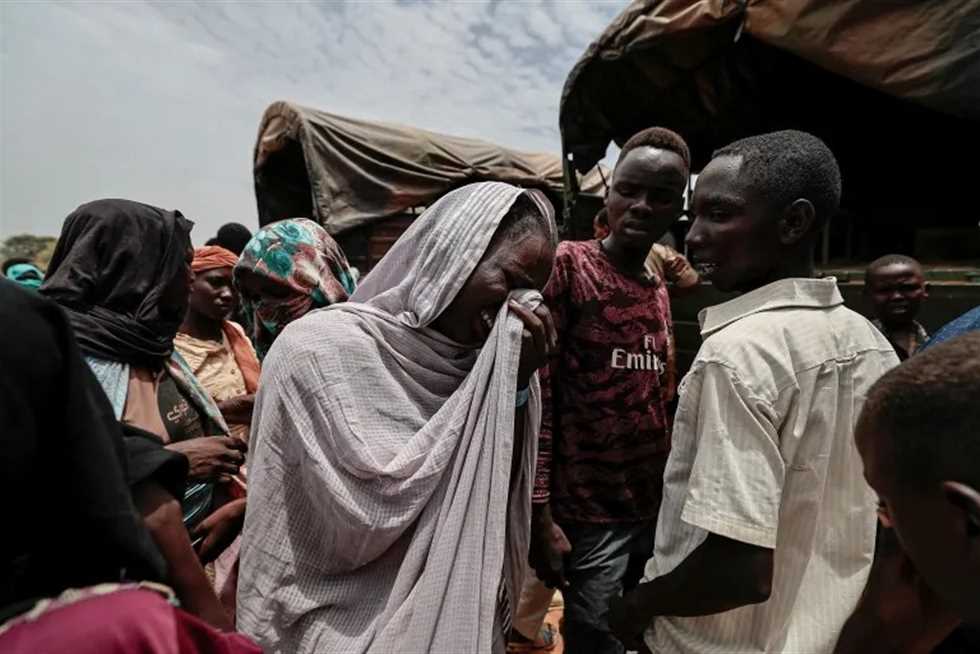
During a visit to the Korma and Tawila areas, Tom Fletcher, the UN Under-Secretary-General for Humanitarian Affairs, reported hearing “horror stories.” He confirmed that women are being used as tools of war, subjected to horrific forms of sexual violence. He noted that while the full situation in El Fasher remains opaque, it is clear that “the world has not provided sufficient aid.”
Shocking Statistics and Systematic Rape
The Sudan Doctors Network documented 32 confirmed cases of rape in a single week among girls arriving in Tawila. Some assaults occurred inside El Fasher following the RSF takeover, while others took place as victims fled. The Network asserted that these acts constitute war crimes and crimes against humanity, demanding an urgent international investigation and protection for survivors.
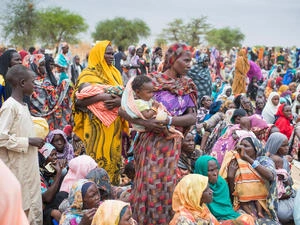
El Fasher has witnessed a massive exodus. Within days, over 65,000* citizens fled to the Tawila area, while thousands more escaped from North Darfur and Kordofan toward the Al-Dabbah locality in the Northern State. (Note: The original text stated “65 citizens,” likely a typo for 65,000 given the context of “mass displacement”.)
According to UN reports, one million children face acute food insecurity. Pregnant women suffer from a total lack of primary healthcare, driving up maternal and infant mortality rates. Women in El Fasher and neighboring states are reportedly living in tattered tents without food or medicine, often facing harassment while attempting to access meager humanitarian aid.
An Epidemic of Sexual Violence
Amnesty International has documented that dozens of women and girls—some as young as 12—have been subjected to sexual violence by warring parties. Some were detained for days in conditions amounting to “sexual slavery.”
The Unit for Combating Violence Against Women warns that the actual rate of violations is likely much higher than reported figures, pointing to an expansion of targeting based on ethnicity and gender.
During a visit to refugee camps in Chad, UN official Pramila Patten described the crisis as a “war on the bodies of women and girls.” Survivors’ testimonies include gang rape, rape committed in front of families, human trafficking, kidnapping for ransom, and the targeted abuse of activists and humanitarian workers. UN experts have also recorded enforced disappearances, forced labor, and ethnic targeting between the warring factions.
Crimes Without Punishment
The epidemic of sexual violence is fueled by total impunity. Since 2003, sexual violence has been weaponized in Darfur, yet no genuine efforts were made to arrest perpetrators, and even the accused were never brought to trial. This history of inaction has intensified the violence in the current war.
Experts argue that the absence of accountability encourages continued atrocities. They emphasize that sexual violence must be a core component of any political settlement negotiations. These are crimes with no statute of limitations that cannot be swept under the rug. Furthermore, experts insist on involving women in peace processes—not only because they are the primary victims, but because they offer a critical vision for building a just peace.
The reality of Sudanese women today proves that a single campaign is insufficient. After three desolate years of displacement, lack of healthcare, and systemic sexual violence, their suffering seems to fall on the ears of a world that has chosen to turn a blind eye.
We salute women worldwide during these days, but we call on them not to forget the women of Sudan.
The Sudan Media Forum and its member institutions publish this material, prepared by the Al-Alaq Center for Press Services, in honor of the 16 Days of Activism. Despite the importance of the global campaign, it falls short of addressing the reality in Sudan, where women face a fierce war that uses their bodies as battlefields. These atrocities are exacerbated by impunity, massive displacement, and international neglect. Sudanese women deserve true international solidarity.


