
Sudan Media Forum
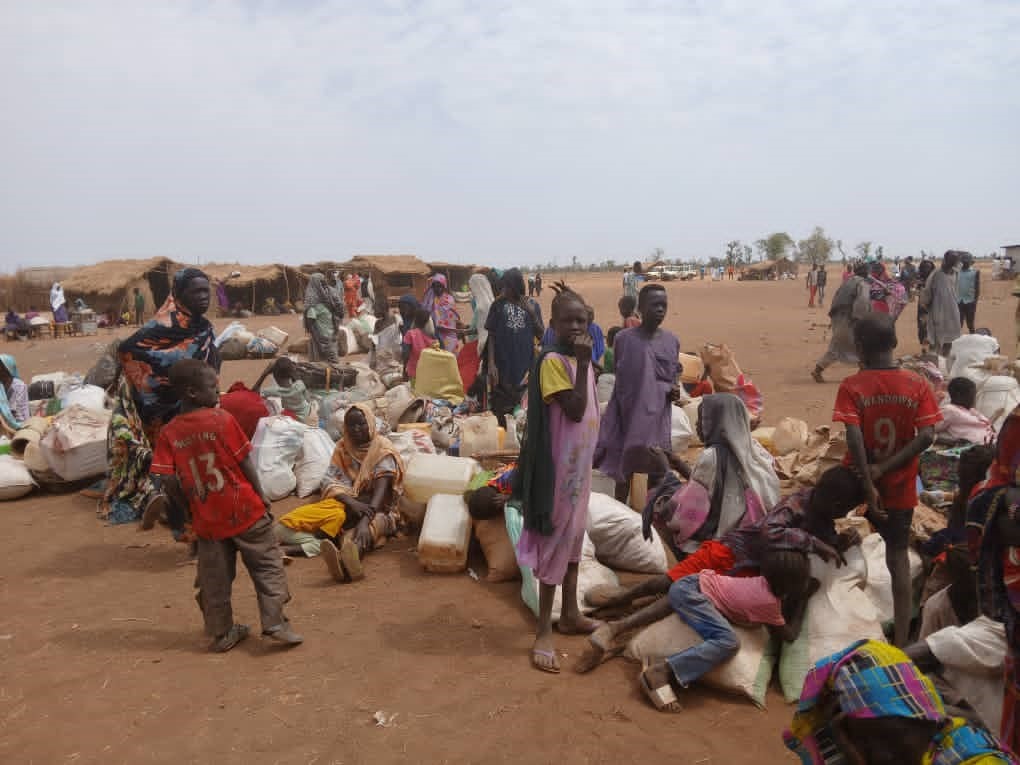
Blue Nile, March 4, 2026 (Al-Jarida) – On the outskirts of the city of Damazin, a mother sits on a worn piece of cloth, clutching two children to her chest and trying to convince them that the long journey they endured was not an escape, but merely “a short trip.” Behind her, dozens of families continue to arrive from the town of Kurmuk and nearby villages, after days of shelling and clashes that have turned farmlands into fields of fire and homes into shadows of fear.
Scenes like these have become increasingly common as fighting intensifies in Sudan’s Blue Nile region in the country’s southeast. Escalating military operations in the southern parts of the region have triggered a new wave of displacement toward the city of Damazin, amid what humanitarian sources describe as critical conditions and a severe shortage of basic services.
The “Civil Society Initiative in Blue Nile State” told “Al-Jarida” that large numbers of civilians have arrived over the past two weeks, most of them women, children, and elderly people, after expanding hostilities made it impossible for them to remain in their home areas.
In recent weeks, the Blue Nile region has witnessed fierce clashes between the Sudanese army and its allies on one side, and the Rapid Support Forces (RSF) alongside their ally, the Sudan People’s Liberation Movement–North (SPLM-N), on the other. The development has transformed the region into one of the most active frontlines in Sudan’s ongoing war.
The town of Kurmuk has been subjected to intense drone attacks that struck civilians and civilian infrastructure, while other drones targeted a hospital in the city of Sennar. The attacks have forced hundreds of families to flee toward Damazin.
Multiple Armed Actors
The displacement comes amid continued confrontations between the Sudanese army and the RSF, alongside SPLM-N elements in some areas, further complicating the security landscape and placing civilians directly in harm’s way.
A local security source, who requested anonymity, said the fighting is concentrated in rural areas south of Kurmuk and is escalating intermittently. The uncertainty has prompted residents to leave preemptively, fearing that military operations could spread to their villages.
Overcrowded Shelters and Strained Services
According to the initiative and several local activists, temporary shelters in Damazin are under pressure far beyond their capacity. Schools, mosques, and some government buildings have been converted into crowded refuges, amid a clear shortage of food and safe drinking water.
One volunteer working with a local emergency response group said that “current supplies are only sufficient for a few days,” noting an acute shortage of essential medicines, malaria treatments, and antibiotics. Rising temperatures are also increasing the risk of disease outbreaks.
Urgent Needs for Women and the Elderly
Amid deteriorating conditions, urgent needs are emerging—particularly for women’s health services, including hygiene supplies and medical care for mothers and pregnant women.
“Mahasen,” a doctor working at a health center in Damazin, told Al-Jarida: “Medical facilities are under unprecedented pressure, with limited staff and resources. Every day we receive cases of exhaustion and malnutrition, and some children arrive suffering from severe dehydration.”
Many families arrived without personal belongings or financial resources after fleeing the fighting in haste, leaving behind their homes, possessions, and livelihoods.
Warnings of a Worsening Crisis
Activists warn that continued arrivals of displaced families without urgent humanitarian intervention could lead to a broader catastrophe, particularly as Sudan faces a severe economic crisis and declining international humanitarian assistance.
Local communities have been making significant efforts to support the displaced, but their resources remain extremely limited.
The United Nations has expressed deep concern over the escalating violence in the region, the harm inflicted on civilians, and the obstruction of humanitarian access. The UN Office for the Coordination of Humanitarian Affairs (OCHA) has also warned of deteriorating humanitarian conditions.
Calls for Ceasefire and Safe Corridors
The Civil Society Initiative has called on all parties to the conflict to respect international humanitarian law and ensure the protection of civilians. It urged the opening of safe corridors to allow residents to leave conflict zones without risking their lives.
The initiative also called for an immediate and comprehensive humanitarian ceasefire to allow aid deliveries to affected communities and displacement sites, easing the worsening suffering.
It issued an urgent appeal to regional and international organizations to intervene quickly and provide support in shelter, food, and healthcare, warning that the situation in the region could deteriorate further without coordinated and immediate action.
In Blue Nile, the war is not merely a passing headline in the evening news—it is a daily reality uprooting people from their lives. As maps of military control continue to shift, civilians remain the weakest link in the conflict, waiting for a ceasefire that could restore their most basic right: safety.
Fragile Security Environment
Blue Nile State is experiencing growing security fragility amid the proliferation of armed actors and the spread of weapons outside formal state structures.
According to local sources and community leaders who spoke to Al-Jarida, roads linking Kurmuk and Damazin have seen intermittent military movements and shifting checkpoints, restricting civilian mobility and complicating humanitarian relief operations.
Community leaders have also expressed concern that clashes could spread to new areas, particularly given the geographic overlap between villages and military positions. Such proximity increases the risk of confrontation and could trigger additional waves of displacement unless clear security arrangements are put in place to protect civilians and secure vital corridors within the state.
The Sudan Media Forum is publishing this report, prepared by Al-Jarida, to highlight the escalating clashes in the Blue Nile region between the Sudanese army and the RSF and their respective allies. The fighting has displaced thousands from Kurmuk and surrounding villages amid severe humanitarian conditions, while overcrowded shelters face acute shortages of food, water, and medicine. The report calls for urgent action to address the humanitarian crisis and bring an end to the war.


