
Sudan Media Forum
AL-KHAWI, West Kordofan, July 20, 2025(Sudan Tribune) – Thousands of civilians have fled their homes in Sudan’s West Kordofan state over the last two months amid a campaign of killings, widespread looting, and other abuses allegedly carried out by the paramilitary Rapid Support Forces (RSF), according to residents and local officials.
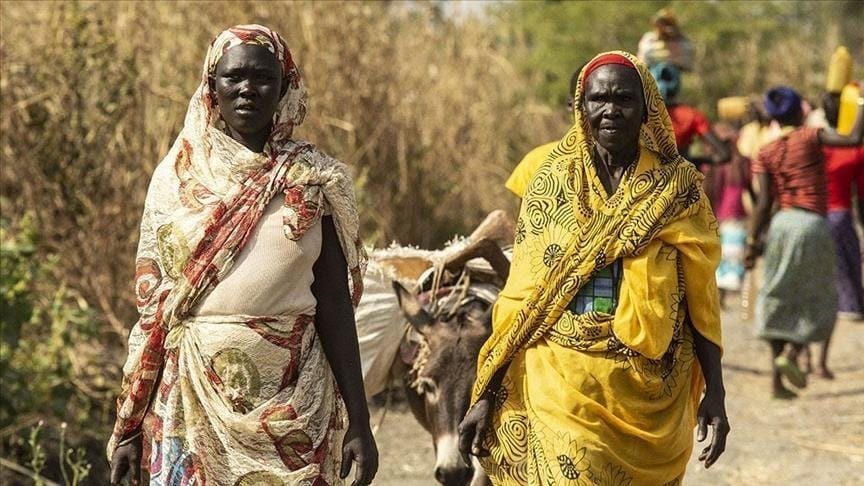
The violence has centred on the towns of Al-Nuhud and Al-Khawi and hundreds of surrounding villages, which the RSF overran in early May. The attacks have triggered a mass exodus of people towards cities in neighbouring North Kordofan or other remote areas, with many reportedly living in the open without shelter.
Witnesses told the Sudan Tribune that RSF fighters, many arriving from the neighbouring Darfur region, swept through the area between Al-Nuhud and Al-Khawi, a stretch of nearly 100 km (62 miles), systematically looting property, livestock, and crops.
In one incident in mid-May, RSF fighters killed 30 people, including a local sheikh, in the Khamasat area, an attack documented by human rights activists. Dozens of young men were also reportedly detained from several villages and their whereabouts remain unknown.
‘SHOCK AND FEAR’
Displaced people described living in a state of shock and fear.
“After the army withdrew, RSF elements spread quickly through the neighbourhoods,” said Fatima Omar, who fled on foot for a day and a half to reach the city of El-Obeid. She said fighters on foot, motorcycles, and combat vehicles committed abuses “including flogging, shooting men in the legs, and shooting them directly in the chest.”
She said many were killed after being accused of supporting the Sudanese Armed Forces.
“They would break down the doors of houses and assault everyone inside, whether men, women, or the elderly,” Omar said. She described fighters shouting, “Bring out the remnants… bring out the citizens who slaughtered livestock for the army.”
The journey to safety was perilous, with some elderly people and pregnant women dying of hunger and thirst, Omar said. She accused RSF fighters of destroying water sources and confiscating supplies from fleeing families.
ETHNICALLY TARGETED ATTACKS
Witnesses said the attacks appeared to target members of the Hamar tribe, whom the RSF accuse of being loyal to the Sudanese army. Numerous Hamar community leaders, merchants, and teachers were reportedly killed.
The report noted that fighters specifically targeted anyone linked to a pro-army tribal organization known as “Hamar Sur,” killing several of its leaders.
ECONOMIC DEVASTATION
The RSF also looted all commercial crop warehouses in Al-Nuhud, a key trading hub for cash crops like peanuts, sesame, and gum Arabic, according to local sources and eyewitnesses.
Tens of thousands of sacks of produce and tons of other goods were reportedly transported on large trucks toward South and East Darfur. The main market in Al-Khawi was also looted and large parts of it were deliberately set on fire, witnesses said.
HUMANITARIAN CRISIS
The influx of people has created a humanitarian crisis in El-Obeid, the capital of North Kordofan.
Al-Hadi Ahmed Al-Habib, the Commissioner for Humanitarian Aid in West Kordofan, said more than 17,000 displaced families were living with host communities, with another 1,300 in temporary shelters. He warned that about 42,000 families remain trapped in rural areas around Al-Nuhud due to RSF movement restrictions.
The commissioner noted a continued daily influx of 400 to 470 families into the region, stretching resources thin.
“The most prominent needs are food, shelter, and basic supplies,” he said, calling for urgent intervention from the government and international aid agencies to prevent a further deterioration of the situation.
The Sudan Media Forum and its member institutions publish this material, prepared by Sudan Tribune, to reflect the grave violations committed by the Rapid Support Forces against civilians in West Kordofan state, which necessitates urgent intervention to save the lives of citizens who have been forced to flee into the unknown to escape these violations.


